On Call Electrical
Call Us Now! (253) 358-8585

Smoke Detector Installation Tacoma Homeowners Can Count On

Tacoma homes built across four decades often carry wiring that was never sized for modern detector placement or interconnected alarm systems.

Call Us Now or Request a Free Quote

(253) 358-8585

Smoke Detector Installation Done Right for Tacoma Homes

Smoke detector installation in Tacoma means working inside houses built from the nineteen forties through the early nineteen eighties, most of them wood-frame construction over a basement or crawlspace, with panels that were sized for a much smaller electrical load than what runs through them today. Electrical contractors serving Tacoma know these houses well, and so does the wiring inside them. Proper detector placement depends on what the circuits behind the walls can actually support, and that is where professional home electrical inspections often begin.

Across Tacoma, a house with a crawlspace or unfinished basement means contractors can reach the wiring without opening finished ceilings in most rooms, but interconnecting multiple detectors on a single circuit still requires tracing runs that were never mapped for that purpose. Postponing a proper installation means relying on battery-only units that go offline without warning and leave gaps in coverage. Rooms added over a garage, finished attics, and basement living spaces are exactly the areas where coverage fails first, and where expert electrical wiring makes the difference between a detector that works and one that sits dark.
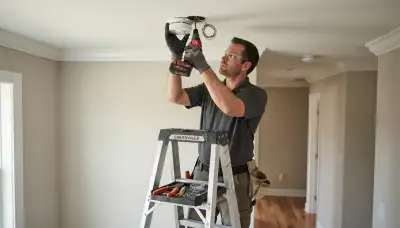
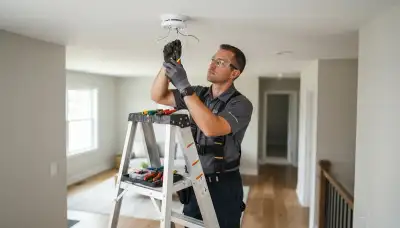
Smoke detector installation by a licensed electrician in Tacoma, WAOn Call Electrical smoke detector installation service in Tacoma, WA

What type of electrical project is this?
  • TCPA Compliance
  • Comodo SSL Certificate
  • True Trust

Electrical Work Around Smoke Detector Installation for Tacoma Homes

Smoke detector installation often surfaces other electrical needs in the same visit. These four services come up regularly for Tacoma homeowners getting detectors properly wired and interconnected.

Panel Capacity for Detector Circuits

Adding a dedicated circuit for interconnected detectors in a house where the panel is already full means evaluating what the box can handle before any new wire is pulled. Panels in houses built from the forties through the sixties were sized for far fewer circuits than what these homes now carry. Quality electrical panel upgrades make room for detector wiring without compromising other circuits.

Schedule Panel Upgrade Consultation

Outlet Protection Near Detector Locations

Houses built before grounding and reset-button outlets were required often have two-prong receptacles in the same hallways and rooms where detectors are being installed. Bringing those outlets up to current requirements at the same time as the detector work keeps the project contained to one visit. Contractors handling reliable outlet repair can address both in a single appointment.

Schedule Outlet Repair Consultation

Electrical Repair for Aging Connections

Warm outlets, lights that dim when a second appliance starts, or a breaker that trips without explanation are signs that the connections feeding a room have degraded. Installing detectors on circuits with failing connections does not fix the underlying problem. Contractors who handle the detector work can also assess what the wiring behind the walls is doing.

Schedule Electrical Repair Consultation

Whole Home Surge Protection After Installation

Detectors with digital displays and interconnected wireless features are more sensitive to voltage spikes than older battery units. Houses with detached garages, workshops, or long outdoor runs to outbuildings are especially exposed to surges traveling back through those circuits. Specialist whole home surge protection keeps newly installed detector systems from being damaged by the same electrical events they are meant to survive.

Schedule Surge Protection Consultation

On Call Electrical
Request a Free QuoteCall now(253) 358-8585

How Load Changes Through the Year Affects Smoke Detector Installation in Tacoma

The same house carries different electrical demands in each season, and those demands shape when detector work is easiest to schedule and what contractors find when they arrive.

Spring Smoke Detector Installation in Tacoma, WA

Spring is the right window to schedule detector installation before the panel is carrying cooling loads. Outdoor circuits and garage runs that were idle through winter get brought back into use, and that is the moment to confirm that detector placement covers the spaces those circuits serve. A house with a crawlspace is easier to work in before summer heat builds up underneath it.

Schedule Spring Smoke Detector Installation

Summer Smoke Detector Installation in Tacoma, WA

A panel sized in the fifties running central air through a long summer is already close to its limit before a single detector circuit is added. Summer is when an undersized panel stops hiding, and it is also when contractors pulling wire for detectors find out what the rest of the system is doing. Pairing detector installation with reliable electrical service work during this season keeps both jobs from having to be repeated.

Schedule Summer Smoke Detector Installation

Fall Smoke Detector Installation in Tacoma, WA

Fall is the handoff between cooling and heating, and the moment to fix what summer exposed before the next load arrives. Detectors that were tripping nuisance alarms during heavy cooling months often point to a circuit problem that will only get worse once space heaters and holiday lighting stack onto the same runs. Scheduling detector work in fall catches those issues before winter.

Schedule Fall Smoke Detector Installation

Winter Smoke Detector Installation in Tacoma, WA

Heating, holiday lighting, and space heaters running at once put more on a circuit than it was ever meant to carry. A house that was built with two or three circuits serving an entire floor has no margin left in winter, and detectors on those same circuits can lose power without any visible sign. Proper installation puts detector wiring on a circuit that is not competing with seasonal loads.

Schedule Winter Smoke Detector Installation
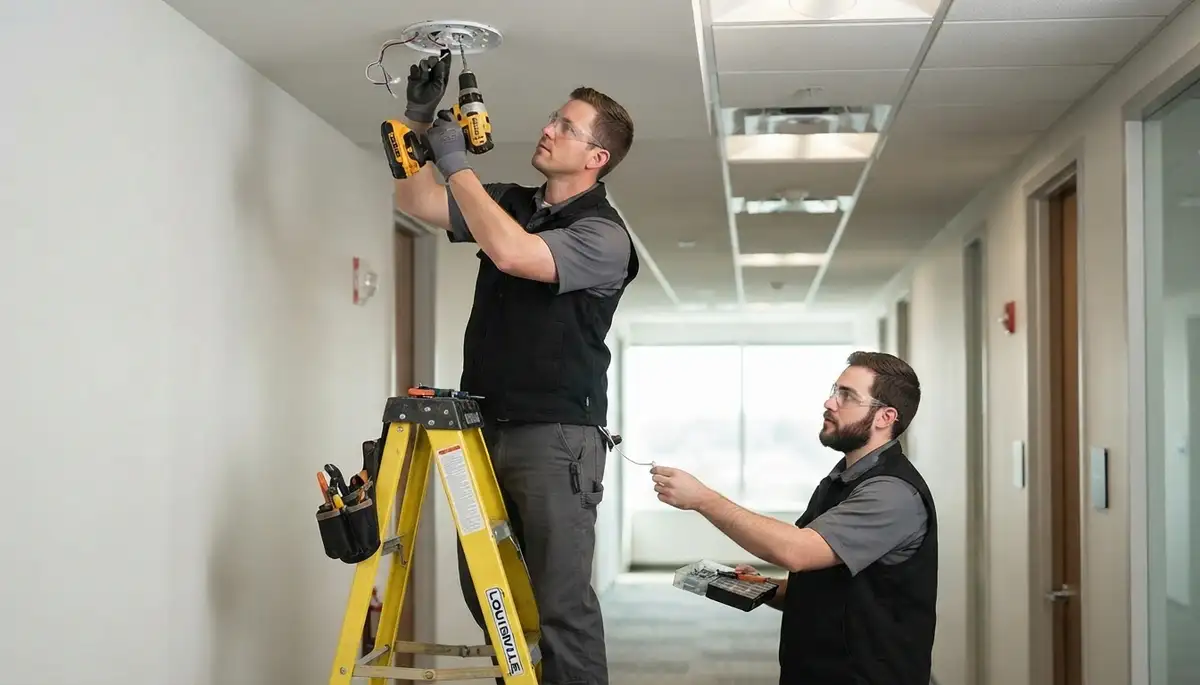
Smoke detector installation service for Tacoma, WA homes by On Call Electrical

Finding a Reliable Electrical Contractor in Tacoma

Electrical Contractor Coverage Across Tacoma, WA

On Call Electrical connects homeowners across the Greater Tacoma area with local electrical contractors ready to help. From the growing residential streets of Spanaway to the outlying properties on larger lots in Fox Island, coverage reaches every corner of the area, no matter where the home sits.

Tacoma homeowners and those in the older established neighborhoods of Steilacoom can count on local electrical professionals being available wherever the house happens to be located.

Electrical Contractor Coverage Areas and Zip Codes Serving Tacoma

Find your neighborhood in the zip code list below and see where On Call Electrical answers residential electrical repair calls across the greater Tacoma area.

  • Downtown Tacoma, WA (98402)
  • North End Tacoma, WA (98403)
  • South Tacoma, WA (98409)
  • East Tacoma, WA (98404)
  • Hilltop Tacoma, WA (98405)
  • University Place, WA (98466)
  • Lakewood, WA (98499)
  • Fife, WA (98424)
  • Milton, WA (98354)
  • Edgewood, WA (98372)
  • Puyallup, WA (98371)
  • Spanaway, WA (98387)
  • Bonney Lake, WA (98391)
  • Sumner, WA (98390)
  • Auburn, WA (98001)
  • Federal Way, WA (98003)
  • Dupont, WA (98327)
  • Steilacoom, WA (98388)
  • Covington, WA (98042)
  • Pacific, WA (98047)
  • Redondo, WA (98054)
  • Fox Island, WA (98333)
  • Vashon, WA (98070)
  • Anderson Island, WA (98303)
  • Olalla, WA (98359)
  • Gig Harbor, WA (98335)
  • Port Orchard, WA (98366)
  • Ruston, WA (98407)

Reach a dependable local professional and have the work done right.

  • No-Cost Quotes
  • Vetted Pros
  • Prompt Replies

Electrical Contractor FAQ for Tacoma, WA Homeowners

Electrical contractor work in Tacoma, WA covers homes built across several decades, many carrying wiring that was never sized for today's loads. Get plain answers about urgent symptoms, what the work involves, panel capacity, modern additions, and how to find someone local.

  • Stop using that outlet immediately and switch off its breaker. A burning smell from an outlet in a Tacoma home often points to heat building at a loose or corroded connection, not a tripped breaker, so the circuit is still energized until you cut it. Do not wait until morning. Local contractors in Tacoma offer around-the-clock emergency response for exactly this kind of situation.

  • In a Tacoma home with a basement, a contractor can often route new branch circuits through the basement ceiling and up interior walls without opening finished surfaces on the main floor. That access shortens the job considerably. Diagnosis and load assessment come first, then the run, then permit and inspection before the wall is closed. Expect one to three days depending on how many circuits are added and how far they travel.

  • An outlet warm to the touch, a burning smell, or lights that dim sharply when an appliance starts on the same circuit all signal heat at a connection or an overloaded branch circuit in a Tacoma home and cannot wait. A single dead outlet or a breaker that trips once and holds after reset is far less urgent, though still worth scheduling.

  • On Call Electrical connects Tacoma homeowners with local contractors and sends multiple quotes for the same job. Comparing those quotes side by side shifts the decision from price alone to scope: which contractor is pulling a permit, what materials are specified, and whether the estimate covers the full job or just the first visit. That comparison is where the real value sits.

  • Before an electric car charger installation can go in, the contractor checks the service amperage at the panel. Tacoma homes built from the late forties through the early sixties frequently came with 60 amp or 100 amp service, sized for a load that did not include a charger drawing 30 to 50 amps on its own. If the service cannot support the addition, a panel upgrade comes first, and that changes the cost and timeline significantly.

  • The number is stamped on the main breaker at the top of the service panel. In a Tacoma home with a basement panel, that label is usually visible without tools. A 100 amp main breaker means the whole house shares that capacity across every circuit. A 200 amp service gives far more room for modern loads. If the panel still uses fuses rather than breakers, the service is almost certainly undersized for current demands.

  • Most of Tacoma's housing stock went up between the late forties and early sixties, when 60 amp service and limited circuit counts were standard. Wiring from that era was copper and grounded only partially or not at all, leaving two-prong outlets throughout. The panel capacity is the more urgent issue: that service was sized for a refrigerator, a few lights, and a radio, not a modern kitchen.

  • The main variables for a panel upgrade across Tacoma are the existing service size, whether the meter and riser need to be repositioned, and how many circuits have to be reconnected. In a basement-panel home, the runs are usually accessible, which holds labor down. In a home where the panel sits in a utility closet with finished walls on three sides, every run costs more. Comparing quotes on scope rather than on the bottom-line number reveals which estimate is actually complete.