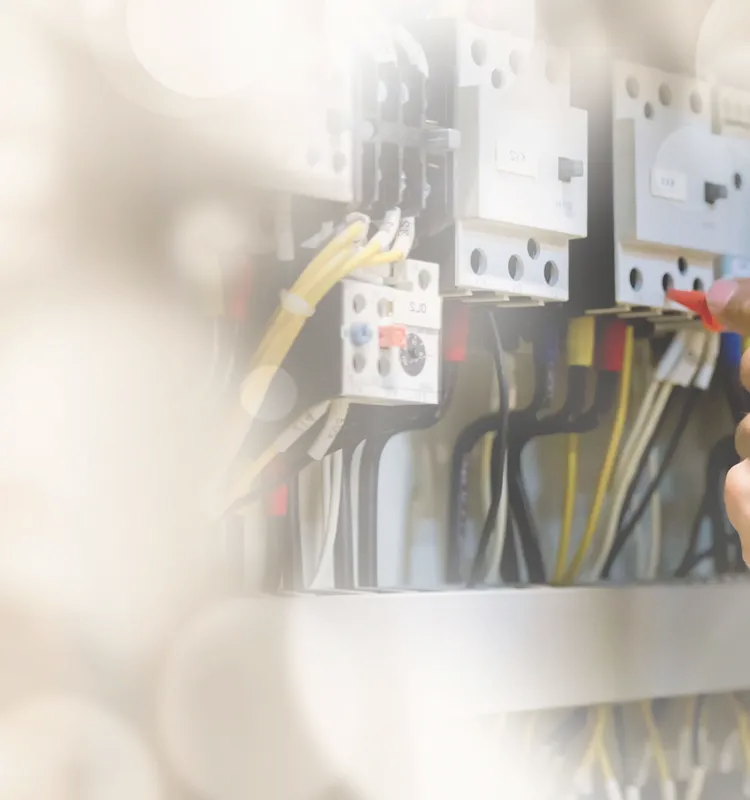
The homes in Edgewood were built mostly through the fifties, sixties, and into the early seventies, and working inside them means dealing with panels sized for a fraction of today's load, circuits that were never counted for how rooms are actually used, and wiring that has been in place for decades. The network of electrical contractors in Tacoma that serves Edgewood handles this kind of work regularly, and professional electrical panel upgrade work is one of the most common calls that comes in from this area.
Homeowners here reach out to a local electrician rather than a general one because the work inside a house built this way is specific, and getting it wrong the first time costs more than getting it right.
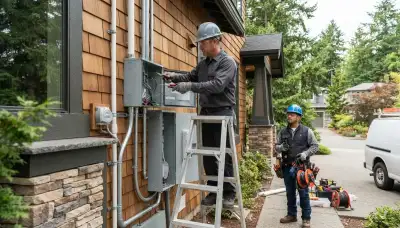
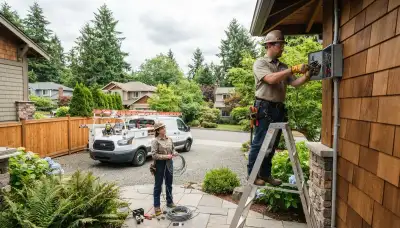
What Local Electricians Know About Edgewood Homes
Most houses in Edgewood went up when sixty-amp service was standard and a single bathroom circuit was considered enough. A local electrician who has worked these houses knows where the panel sits, what the original wiring looks like, and which rooms were added later without upgrading the service.
The two kinds of work that come up most often are panel replacements in houses that still have fuse boxes and circuit additions in kitchens and bathrooms that trip the moment two appliances run at once. Homeowners in Puyallup, WA deal with similar situations in houses from the same period.
If the breaker will not reset or the outlet is warm to the touch, getting someone out to look at it now prevents a much larger problem later.
Work Matched to How Edgewood Homes Are Built
An approach that works in a newer house with open walls and a modern panel does not translate directly to a house in Edgewood where the wiring runs through finished plaster, the crawlspace is tight, and the panel is wedged into a utility closet off the garage.
Houses built on crawlspaces need a different approach to running new circuits than slab-built homes do, and detached garages on larger lots carry outdoor runs that age separately from the main house. Expert ceiling fan installation in a house with plaster ceilings, for example, requires a different box and a different approach than drywall construction allows.
Four services that fit what Edgewood homes are being asked to handle right now: quality GFCI circuit installation for bathrooms and kitchens that were never updated, specialist generator installation for houses where the panel can support a transfer switch, reliable outlet repair for receptacles that have been in place since the house was built, and professional electric car charger installation for garages where the existing circuit was never sized for that draw.
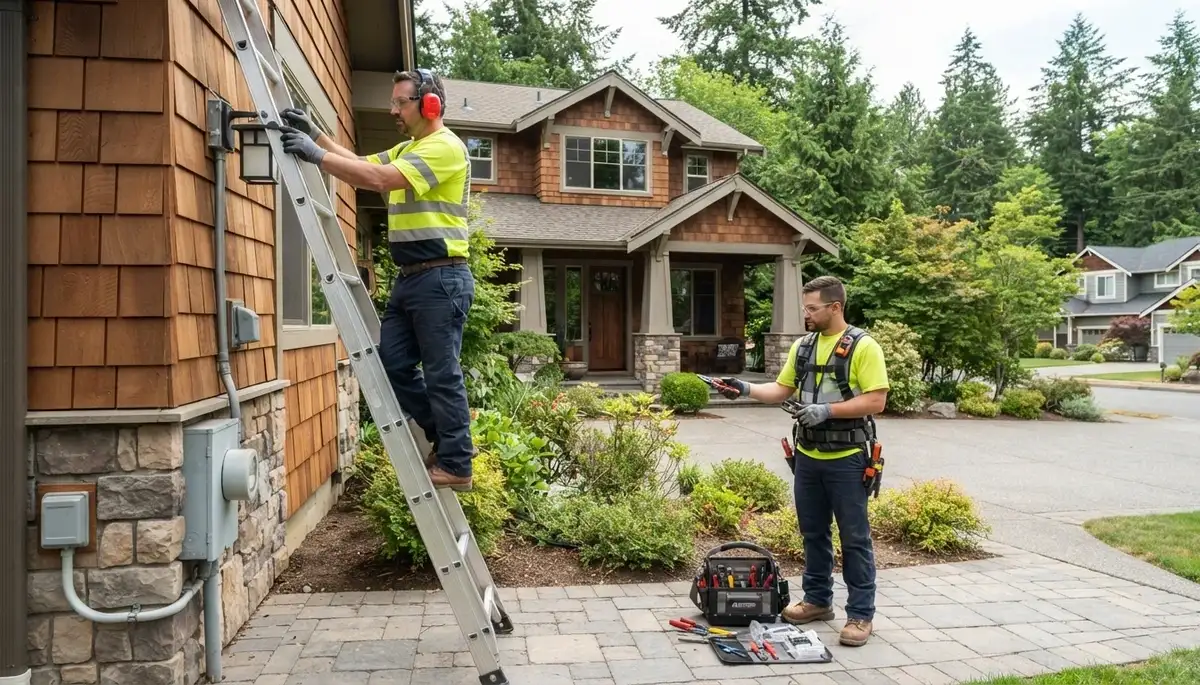
When Edgewood Homes Were Built Still Shapes the Work Today
Most of the houses here went up in the fifties and sixties, a period when sixty-amp service was the standard, aluminum wiring was common in homes built in the late sixties and into the early seventies, and grounding was not yet required. Three things follow from that: the panel is likely undersized for today's load, some outlets may be two-prong with no ground, and connections made in aluminum require a specific repair method that copper-only electricians sometimes miss.
Panel Running Out of Room
The fuse box or small breaker panel in a house from this period was sized for a refrigerator, a few lights, and a washer. Add a dishwasher, a microwave, and a window air conditioner and the box is full. A homeowner notices this when there are no empty slots left and every new appliance means pulling an existing circuit.
Local electricians replace the fuse box or undersized panel with a panel that carries enough circuits for how the house is actually used today, and the work includes bringing the grounding up to what the new equipment requires.
Outlets Warm to the Touch
An outlet that feels warm, a light that flickers when something else turns on, or a switch that buzzes faintly are signs of aluminum wiring connections that have loosened over decades. Aluminum expands and contracts more than copper, and connections that were tight when the house was built work loose over time.
The correction involves installing approved connectors at every aluminum-to-device junction in the affected circuits. Homeowners who have had this done report that the flickering stops and the outlets hold a plug without getting hot. Electricians serving Sumner, WA handle the same aluminum wiring issues in houses from the same period.
No Ground, No Reset Button
Two-prong outlets and no reset buttons near the kitchen sink or bathroom basin mean the house was wired before grounding and ground-fault protection were required. This is not a cosmetic issue. An ungrounded outlet cannot protect equipment plugged into it, and a bathroom without ground-fault protection is a code and safety gap.
Adding grounding and installing the outlets with test and reset buttons corrects both problems. It also makes the house easier to insure and removes the liability that comes with selling a house that still has two-prong outlets throughout.
Circuit Count That Does Not Match the Kitchen
A kitchen built in the sixties had one or two appliance circuits. Today that same kitchen runs a microwave, a coffee maker, a toaster oven, and a refrigerator, and the breaker trips the moment two of them run at once. The house was not built wrong; it was built for a different load than it carries now.
Adding dedicated circuits for the appliances that draw the most resolves the tripping and removes the extension cords that have become permanent fixtures on the counter. A homeowner can run the microwave and the toaster at the same time without watching the breaker panel.
Crawlspace Access and Finished Walls
Running a new circuit in a house with a crawlspace and plaster walls is a different job than running one in a house with open drywall and an accessible basement. The crawlspace may be low, wet in spots, or partially blocked, and plaster walls do not open and close the way drywall does.
Local electricians who know these houses plan the route before they open anything, use the crawlspace where the run is possible, and limit wall cuts to the minimum needed. The result is a finished circuit with the smallest footprint of repair work left behind.
Call (253) 358-8585 to arrange a visit from a local electrician who can look at what the house actually has and tell the homeowner what it needs, without pressure and without guessing.
On Call Electrical delivers work that holds, in every Edgewood home it serves.

Full Electrical Services Available in Edgewood, WA
The list below covers the range of electrical work available to homeowners in Edgewood, WA. Find the item that matches what the house needs and call to get it scheduled.
Urgent Electrical Repairs for Edgewood, WA Homes
- Electrical Repair - A breaker that will not reset or a circuit that keeps tripping in a house from this period usually points to a wiring or connection problem that needs attention before it gets worse.
- Outlet Repair - Outlets that are warm, loose, or dead are common in houses where the receptacles have not been touched since the house was built.
- Switch Repair - A switch that buzzes, sparks, or fails to hold its position is a sign that the device has reached the end of its service life and needs to be replaced.
- GFCI Circuits - Bathrooms and kitchens in older houses that were never updated lack the ground-fault protection that modern safety standards require near water.
- Smoke Detector Installation - Houses from this period often have no hardwired detectors, and battery-only units placed decades ago are no longer reliable.
Do not wait on an electrical problem in a house this age. A small issue found now is far less disruptive than one found after it causes damage.
Panel, Service, and Wiring Work for Edgewood, WA Homes
- Electrical Panel Upgrade - A sixty-amp or hundred-amp panel in a house from the fifties or sixties was never sized for the load a modern household puts on it.
- Electrical Panel Installation - Replacing a fuse box with a modern breaker panel gives the house the circuit capacity it needs and removes equipment that is no longer safe to operate.
- Electrical Wiring - Original wiring in a house from this period may be cloth-wrapped, aluminum, or simply too few circuits for how the rooms are used now.
- Electrical Service - The service entrance and meter base in a house this age may need to be brought up to current requirements before additional work can be done.
- New Construction Wiring - Additions and detached structures on Edgewood properties need wiring that connects cleanly to the existing service without overloading it.
A panel that was sized for a smaller house and a lighter load is the most common starting point for electrical work in houses built during this period. Getting it right means the rest of the work builds on a solid foundation.
Safety and Protection Work for Edgewood, WA Homes
- Whole Home Surge Protection - A power surge travels through every circuit in the house, and older wiring and devices are more vulnerable to damage than newer installations.
- Lightning Surge Protection - A house with older wiring and no surge protection has no defense against a voltage spike that enters through the service entrance.
- Home Electrical Inspections - A house that has not been inspected since it was built may have conditions that are not visible until something fails.
- Fire Alarm Installation - Hardwired fire alarms in a house from this period require a circuit that may not exist, and adding one is part of the installation job.
- GFC Outlets - Replacing two-prong ungrounded outlets with ground-fault protected receptacles corrects a safety gap without requiring a full rewire of the circuit.
A house built in the fifties or sixties that has never had a full electrical review may be carrying risks the homeowner cannot see. An inspection finds them before they become emergencies, and the protection work that follows gives the homeowner a clear picture of what the house can safely carry. Call (253) 358-8585 to schedule a review with a local electrician who knows what to look for in a house built this way.
Lighting, Outdoor, and Added-Load Work for Edgewood, WA Homes
- Electric Car Charger Installation - A Level 2 charger draws more than most garages in Edgewood were wired to supply, and the work involves adding a dedicated circuit sized for the charger.
- Landscape Lighting - Outdoor lighting runs in Edgewood yards age differently from the house wiring, and connections buried in the ground need to be rated for the exposure they get.
- Recessed Lighting Installation - Adding recessed lighting to a house with plaster ceilings and a crawlspace below requires a planned approach to routing the circuits without major demolition.
- Generator Installation - A standby or portable generator needs a transfer switch that keeps the generator from back-feeding the line, and the panel has to have room for it.
- Security Lights - Motion-activated and always-on security lighting on detached garages and along the perimeter of larger Edgewood lots need circuits that can handle outdoor exposure year-round.
Added loads on houses from this period need to be matched to what the service can actually carry. A local electrician can tell the homeowner what the panel supports now and what needs to change before a new load is connected.